

Tips for Perfect Results Every Time
The single most important tip for this recipe is to ensure that your cream cheese is truly, completely at room temperature before you begin making the cream cheese layer. Cold cream cheese refuses to blend smoothly no matter how long you beat it, and a lumpy cream cheese layer — while it will still taste good — will not have the silky, professional appearance that makes this dessert so impressive. Take the cream cheese out at the same time you take the whipped topping out to thaw, at least one hour before you plan to make the layers.
When it comes to the pudding, it is critically important to use instant pudding mix rather than cook-and-serve pudding mix. Cook-and-serve pudding requires heat to set, and it will not set properly when used cold in this recipe. Also, use less milk than the pudding box directions call for — three cups rather than the six cups typically specified — which produces a thicker, more stable pudding layer that holds its shape beautifully when the dessert is sliced and served.
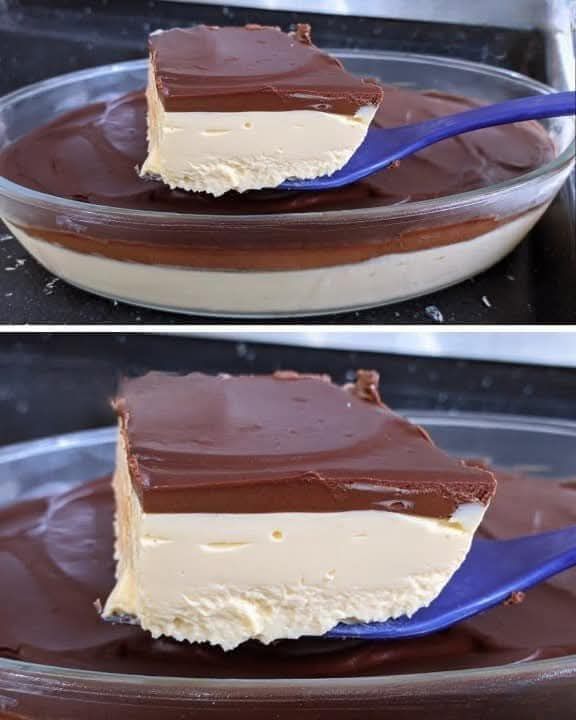
For the cleanest, most beautiful slices — the kind where you can see every distinct layer clearly — place the finished dessert in the freezer for 30 to 45 minutes before cutting. This firms everything up temporarily and makes slicing much easier and neater. Use a sharp knife, and run it under warm water before each cut, wiping it clean between slices. The result will be neat, impressive portions where every layer is clearly visible.
The crust uses finely chopped pecans, but walnuts work equally well and produce a slightly different but equally delicious flavor. Toasting the nuts in a dry skillet for a few minutes before chopping them intensifies their flavor dramatically and is well worth the small extra effort. You can also make the crust with an Oreo cookie base or a graham cracker crust for a different flavor profile — press crushed cookies mixed with melted butter into the pan and refrigerate to set rather than baking, which speeds up the process considerably.
Make-Ahead and Storage
This chocolate cream layered pudding is one of the great make-ahead desserts in the repertoire of American home baking. It genuinely benefits from being made the day before serving — the layers firm up and stabilize in the refrigerator overnight, making it easier to cut and serve neatly, and the flavors have time to meld and deepen. Simply prepare the entire dessert, cover it tightly with plastic wrap, and refrigerate it overnight. Add the chocolate shavings or garnish just before serving if you want them to look their freshest.
Leftovers can be stored tightly covered in the refrigerator for up to three days. After the first day or so, the layers begin to merge slightly at their borders, which affects the appearance more than the taste — it will still be completely delicious, just not quite as visually distinct. For longer storage, the dessert can be frozen in individual portions wrapped tightly in plastic and stored for up to one month. Thaw portions overnight in the refrigerator before serving. The texture of the whipped topping layer will be slightly less airy after freezing and thawing, but the overall flavor will remain excellent.
Why This Dessert Never Goes Out of Style
This chocolate cream layered pudding has been a fixture on American dessert tables since at least the 1970s, and its longevity is not a mystery. It is genuinely forgiving to make — each step is straightforward, and there are very few ways to go seriously wrong with it as long as you follow the key tips about room temperature cream cheese and instant pudding. It travels beautifully in its baking dish, which makes it ideal for carrying to potlucks, picnics, and gatherings where the dessert needs to survive a car trip. It can be made entirely the day before, which removes all serving-day stress. It scales effortlessly to feed a crowd. It appeals to virtually every palate, from children who love anything chocolate and creamy to adults who appreciate the sophisticated balance of richness and lightness in the layered structure. And it looks, at first glance, like considerably more effort went into it than actually did — which is perhaps the most useful quality any dessert can have.