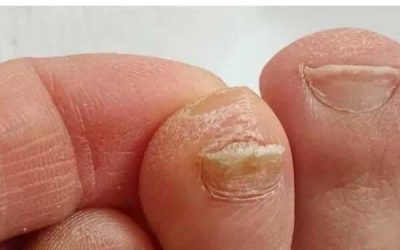

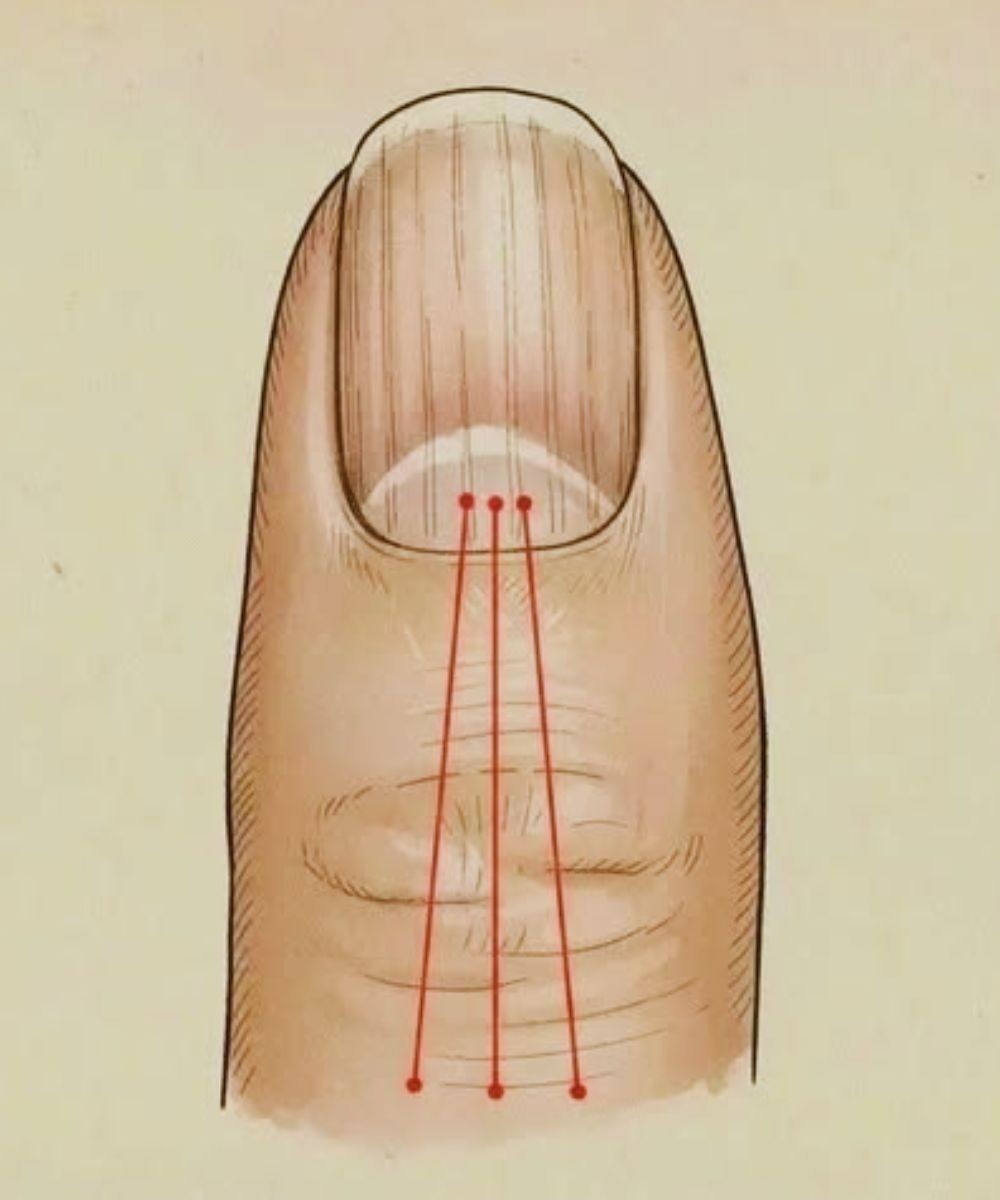
Nails are primarily composed of a fibrous structural protein called keratin — the same protein that makes up your hair and the outer layer of your skin. Keratin gives nails their strength, flexibility, and resilience, and it protects them from damage and stress. What you see when you look at your nails is actually dead tissue: nail cells that were produced in the nail matrix beneath the skin and pushed outward as new cells formed behind them. This means that the nutrients influencing your nail health today will not be visible in your nails for weeks or months, as new growth slowly emerges and replaces the older cells. Patience is therefore an essential companion to any nutritional strategy for nail improvement — but the changes, when they come, are genuine and meaningful. Here is a comprehensive guide to the nutrients your nails need most and the best food sources for each.
1. Biotin (Vitamin B7) — The Most Researched Nail Nutrient
Biotin is the nutrient most consistently associated with nail health in the scientific literature, and for good reason. Also known as vitamin B7, coenzyme R, or vitamin H, biotin is a water-soluble B-complex vitamin that plays a central role in promoting healthy cell growth and supporting the metabolism of the protein-building amino acids that are essential for nail tissue production. Clinical research has shown that biotin supplementation can meaningfully improve brittle nails: one well-designed study found that patients with brittle nail syndrome who took a daily biotin supplement experienced a 25 percent increase in nail plate thickness over six months, along with significant reductions in nail splitting and fragility.
Among all the nutrients associated with nail health, biotin is the one for which the most consistent evidence of direct supplementation benefit exists. The recommended daily intake for adults is approximately 30 micrograms, though biotin deficiency is relatively uncommon in people eating varied diets. The best food sources of biotin include eggs (particularly the yolks), salmon and other fatty fish, nuts and seeds (especially almonds and sunflower seeds), sweet potatoes, avocados, and legumes including beans and lentils. One important note for anyone taking biotin supplements: research has shown that even moderate doses of supplemental biotin can interfere with certain laboratory blood tests — including thyroid tests, cardiac troponin tests, and vitamin D tests — producing falsely elevated or falsely lowered results. If you are taking biotin and need laboratory bloodwork, stop the supplement 48 to 72 hours before your test and inform your healthcare provider.