
2. Protein — The Building Block Your Nails Are Made Of
Because nails are primarily made of keratin, which is a protein, adequate dietary protein intake is the most fundamental nutritional requirement for nail health. Without sufficient protein, your body simply does not have the raw materials to build strong, healthy nail tissue. People who are chronically low in dietary protein often notice their nails becoming noticeably weaker, softer, slower-growing, and more prone to breaking — and this makes complete biological sense. When protein intake is inadequate, the body prioritizes protein for the most critical biological functions and reduces its allocation to non-essential tissue production like nail growth.
Good dietary protein sources for nail health include lean meats like chicken and turkey, which also provide collagen precursors directly beneficial to nail structure. Eggs are an especially well-rounded choice because they provide not just high-quality complete protein but also biotin, vitamin D, sulfur, and healthy fats — essentially multiple nail-supporting nutrients in one food. Fish, particularly salmon and other fatty fish, adds omega-3 fatty acids alongside its protein. Plant-based protein sources including beans, lentils, chickpeas, tofu, tempeh, edamame, and quinoa all provide substantial protein alongside additional nail-supporting micronutrients like iron, zinc, and biotin.
3. Iron — Essential for Oxygen Delivery to the Nail Bed
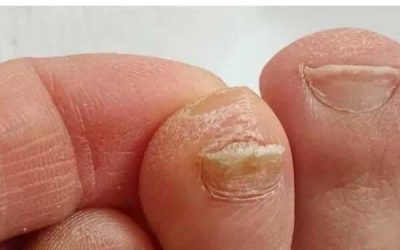
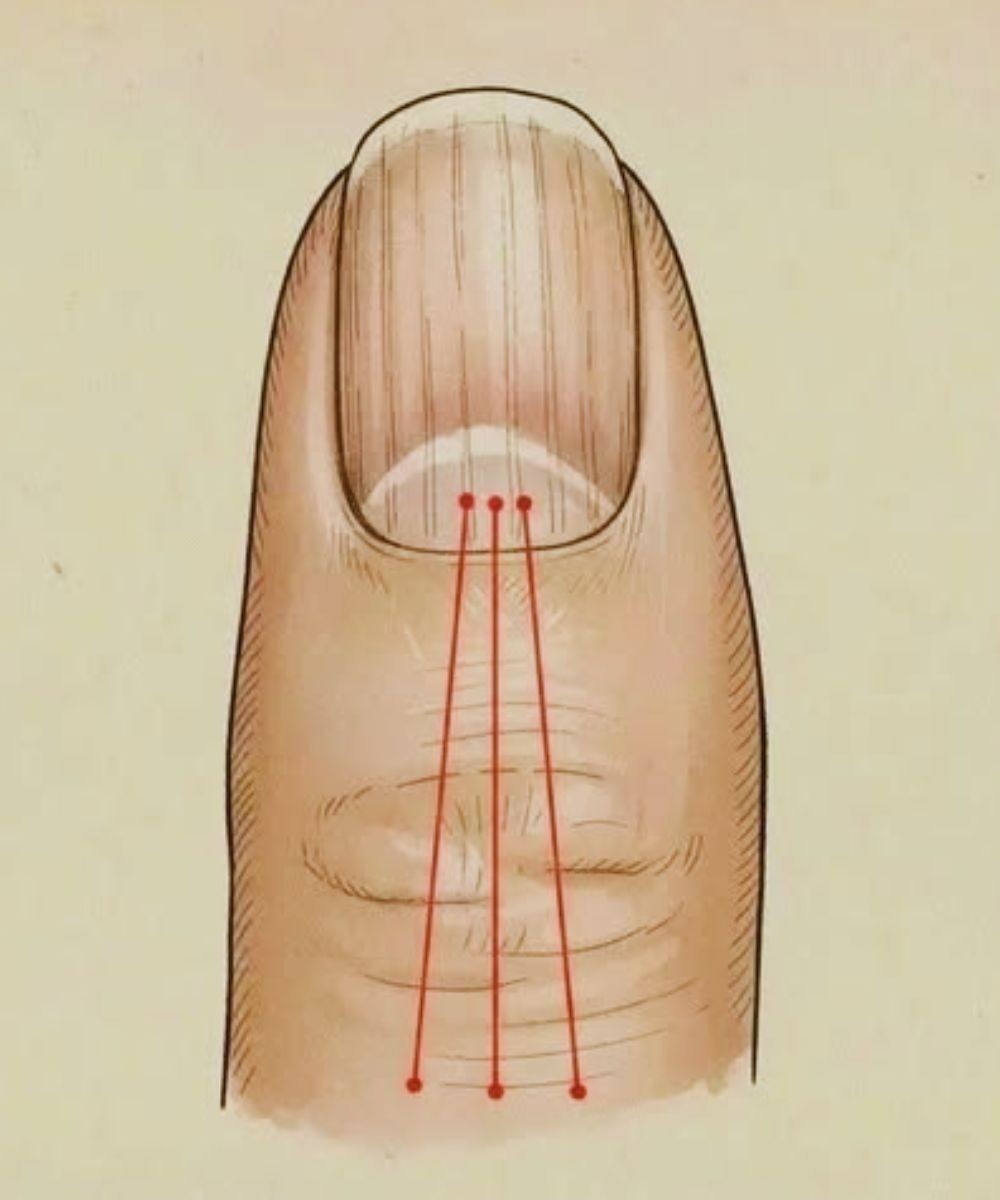
Iron plays an indirect but critically important role in nail health through its function in red blood cell production. Iron is a fundamental component of hemoglobin — the protein in red blood cells that carries oxygen throughout the body. When iron levels are insufficient, red blood cells cannot transport adequate oxygen to the nail bed, which impairs the nail matrix’s ability to produce healthy nail tissue. Iron deficiency is one of the most common nutrient deficiencies worldwide, and it produces characteristic nail changes that doctors and dermatologists recognize: nails may develop ridges running lengthwise, become thin and flat, and in more severe deficiency may even develop a spoon-shaped depression called koilonychia — where the nail curves upward at the edges instead of lying flat.
The best dietary sources of highly bioavailable heme iron — the form most easily absorbed by the body — include red meat, poultry, and fish. Plant-based sources provide non-heme iron, which is less readily absorbed but still valuable: these include legumes, dark leafy greens like spinach, tofu, pumpkin seeds, fortified cereals, and dark chocolate. Consuming vitamin C-rich foods alongside non-heme iron sources significantly enhances absorption — pairing a spinach salad with a squeeze of lemon juice or eating beans with a side of bell peppers are practical examples of this strategy.