
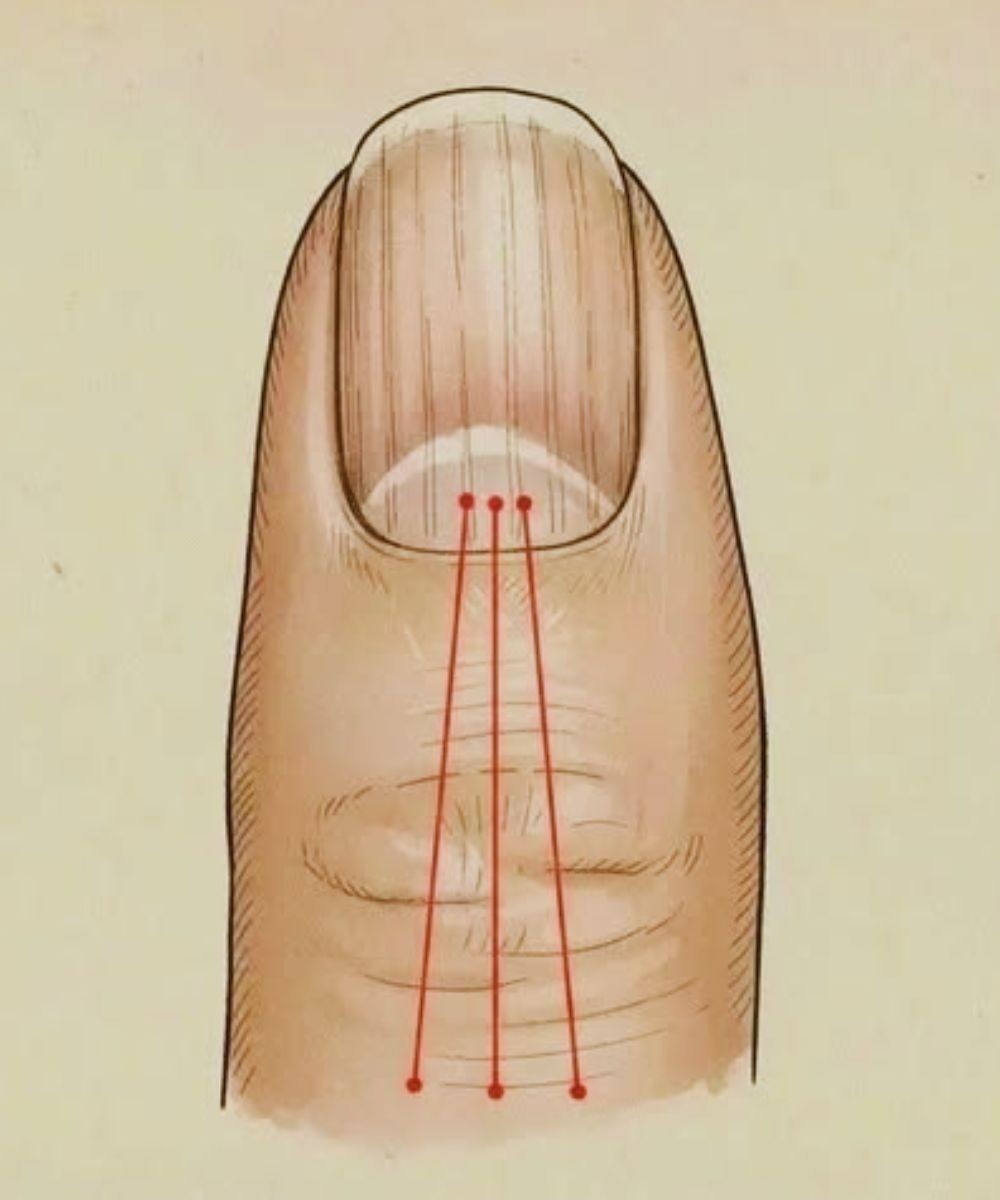
Zinc is a trace mineral involved in hundreds of enzymatic reactions throughout the body, including the processes of cell growth, division, and repair that are essential for producing healthy nail tissue. Zinc deficiency produces distinctive and recognizable nail changes: white spots or horizontal white lines across the nail plate (called Beau’s lines when they involve the entire nail width), changes in nail texture and thickness, and impaired nail growth. Because nails grow slowly — typically about three millimeters per month for fingernails — the presence of horizontal lines or bands in the nail can actually provide a rough timeline of when a period of nutritional stress or illness occurred, based on their position in the nail plate.
The most concentrated and bioavailable food source of zinc is oysters, which contain more zinc per serving than virtually any other food. Other good animal-based sources include beef, crab, lobster, pork, and fortified breakfast cereals. Plant-based sources of zinc include pumpkin seeds, hemp seeds, cashews, chickpeas, lentils, and oats, though the phytates naturally present in plant foods can reduce zinc absorption to some degree. Vegetarians and vegans may need to be particularly attentive to zinc intake and consider soaking and sprouting legumes and grains to reduce phytate content and improve mineral bioavailability.
5. Vitamin C — Collagen Production and Antioxidant Protection
Vitamin C is best known for its role in immune function, but it is equally important for the structural health of nails through its essential function in collagen synthesis. Collagen is a fibrous protein that reinforces the structure of the nail bed and the surrounding tissue, contributing directly to nail strength, shape, and resistance to breakage. Without adequate vitamin C, collagen production is impaired, and nails can become brittle, rough, and more prone to breaking and splitting. Vitamin C also functions as a powerful antioxidant, protecting nail cells from oxidative damage caused by free radicals — environmental stressors that can accelerate cellular aging and damage.
Vitamin C deficiency severe enough to cause significant nail and skin changes is rare in developed countries, but mild insufficiency is more common than most people realize. The best food sources of vitamin C are fruits and vegetables, particularly red and yellow bell peppers (which contain more vitamin C than most citrus fruits), citrus fruits like oranges and grapefruit, kiwi, strawberries, broccoli, Brussels sprouts, and spinach. Because vitamin C is water-soluble and destroyed by heat, eating vitamin C-rich foods raw or minimally cooked preserves the most nutritional value.
6. Omega-3 Fatty Acids — Moisture, Flexibility, and Anti-Inflammation
Omega-3 fatty acids are not vitamins or minerals, but they are essential dietary fats that play an important role in nail health through their influence on cell membrane integrity and their well-documented anti-inflammatory properties. The nail matrix and nail bed are living tissues surrounded by cell membranes that require healthy fats to maintain their structural integrity and flexibility. Adequate omega-3 intake helps keep nails moisturized from within, reducing the dryness and brittleness that many people experience — particularly during cold, dry weather or after repeated exposure to water and detergents that strip the nail’s natural moisture barrier. Anti-inflammatory omega-3 fatty acids also help maintain healthy circulation to the nail bed, supporting consistent nutrient delivery and waste removal from the rapidly dividing cells of the nail matrix.
The most bioavailable dietary sources of omega-3s are fatty fish, including salmon, mackerel, sardines, anchovies, and herring. These provide EPA and DHA — the forms of omega-3 that the body can use most directly. Plant-based sources including chia seeds, flaxseeds, hemp seeds, and walnuts provide ALA, a precursor omega-3 that the body converts to EPA and DHA with varying efficiency. For people who do not regularly eat fatty fish, a fish oil or algae-based omega-3 supplement can help close the gap.
7. Vitamin A — Cell Turnover and Moisture Retention
Vitamin A is essential for the healthy turnover and repair of body tissues throughout the body, and this extends clearly to nail tissue. Adequate vitamin A supports the normal production of new nail cells in the matrix and helps maintain the moisture content of the nail plate and surrounding cuticle tissue. Deficiency in vitamin A can cause nails to become dry, brittle, dull in appearance, and prone to surface roughness. Beta-carotene — the plant pigment found in orange, yellow, and dark green vegetables — is a precursor to vitamin A that the body converts on demand, making plant-based sources a safe way to support vitamin A status without the risk of toxicity that can occur with excessive supplementation of pre-formed vitamin A.
The best dietary sources of beta-carotene include sweet potatoes, carrots, butternut squash, pumpkin, red and orange bell peppers, apricots, and dark leafy greens like kale and spinach. Pre-formed vitamin A is found in animal products including liver (the most concentrated source), eggs, dairy products, and fatty fish.
8. B Vitamins — Particularly B12 and Folate
Beyond biotin, other B vitamins play important supporting roles in nail health. Vitamin B12 is essential for proper iron absorption and for the normal production of red blood cells, and deficiency in B12 can produce characteristic nail changes including unusual darkening of the nails, the development of brownish streaks or discoloration, and a bluish tint in more advanced deficiency. B12 is found exclusively in animal products — meat, fish, poultry, eggs, and dairy — making vegans and strict vegetarians particularly susceptible to deficiency without supplementation. Folate (vitamin B9) supports healthy cell division and new cell production, and deficiency can contribute to nail discolorations and the development of ridges in the nail plate. Good folate sources include dark leafy greens, legumes, asparagus, and fortified grains.
What Your Nails Are Trying to Tell You
Paying attention to changes in your nails can provide useful early signals about nutritional status worth addressing. Brittle, thin nails that split easily often suggest insufficient biotin, protein, or iron. White spots or horizontal ridges may point to zinc deficiency or a recent period of physical stress. Spoon-shaped nails that curve upward are a classic sign of iron deficiency anemia. Vertical ridges running the length of the nail become more common with age but can also indicate magnesium deficiency. Pale nail beds may reflect iron deficiency anemia. Dark streaks or discoloration can suggest B12 deficiency. In all cases, persistent or unusual nail changes that do not respond to dietary improvement within several months are worth discussing with a healthcare provider, as some nail changes reflect underlying medical conditions that require clinical evaluation and treatment beyond nutrition alone.
The most reliable path to consistently healthy nails is not a single supplement but a varied, balanced diet that provides the full spectrum of nutrients the nail matrix needs to produce strong, smooth, healthy tissue continuously. Lean proteins, a wide range of colorful vegetables and fruits, whole grains, healthy fats from nuts, seeds, and fatty fish, and adequate hydration throughout the day form the nutritional foundation on which genuinely healthy nails are built. Targeted supplementation can help address specific deficiencies when dietary intake falls short, but food first is almost always the more effective and enjoyable approach.