

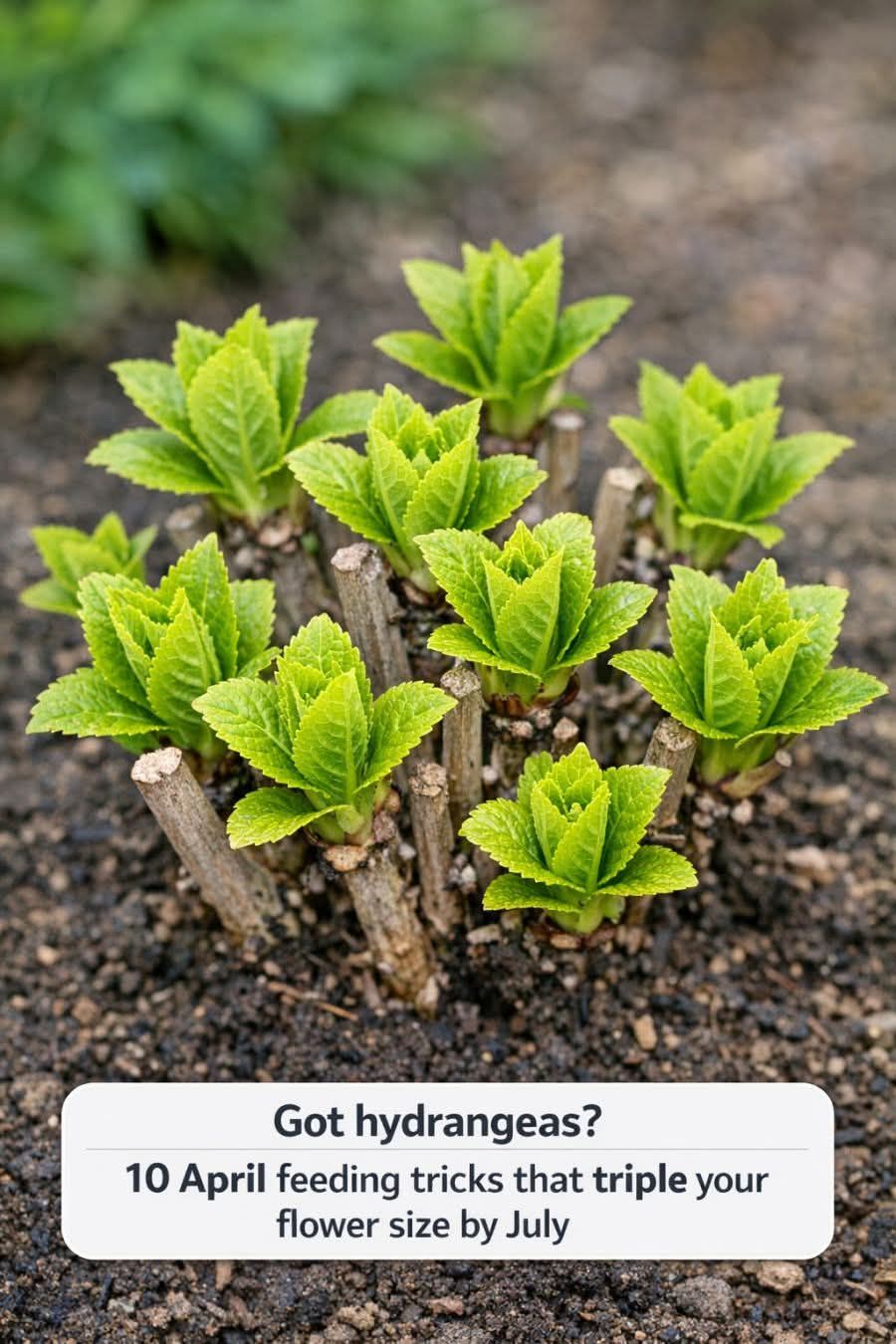
Hydrangeas are a beloved staple in many gardens, known for their lush foliage and stunning blooms. However, achieving those enviable, voluminous flowers requires more than just sunlight and water. To truly make your hydrangeas the star of the summer garden, strategic feeding in April can set the stage for blooms that are three times their usual size by July.
April is a critical month for hydrangea care because it’s when these plants begin their active growing season. By tailoring your feeding approach to their specific needs during this period, you can maximize their flowering potential. Here are ten proven feeding tricks to ensure your hydrangeas are the talk of the neighborhood by midsummer.
1. Start With a Soil Test So You Don’t Feed Blindly
Before you begin any feeding regimen, it’s essential to understand the current state of your soil. A soil test provides a comprehensive overview of your soil’s pH level and nutrient content, such as nitrogen, phosphorus, and potassium. You can purchase a soil test kit from a garden center or send a sample to a local extension service. The results will guide you in selecting the appropriate fertilizers and amendments. For hydrangeas, an ideal pH level is between 5.5 and 6.5, which affects their color and growth. Adjusting the soil’s pH and nutrient levels based on the test results will ensure your feeding efforts are effective.